Women in Ancient Greece
Exploring the lives, societal roles, and lasting influence of women across the diverse city-states of the ancient Greek world.
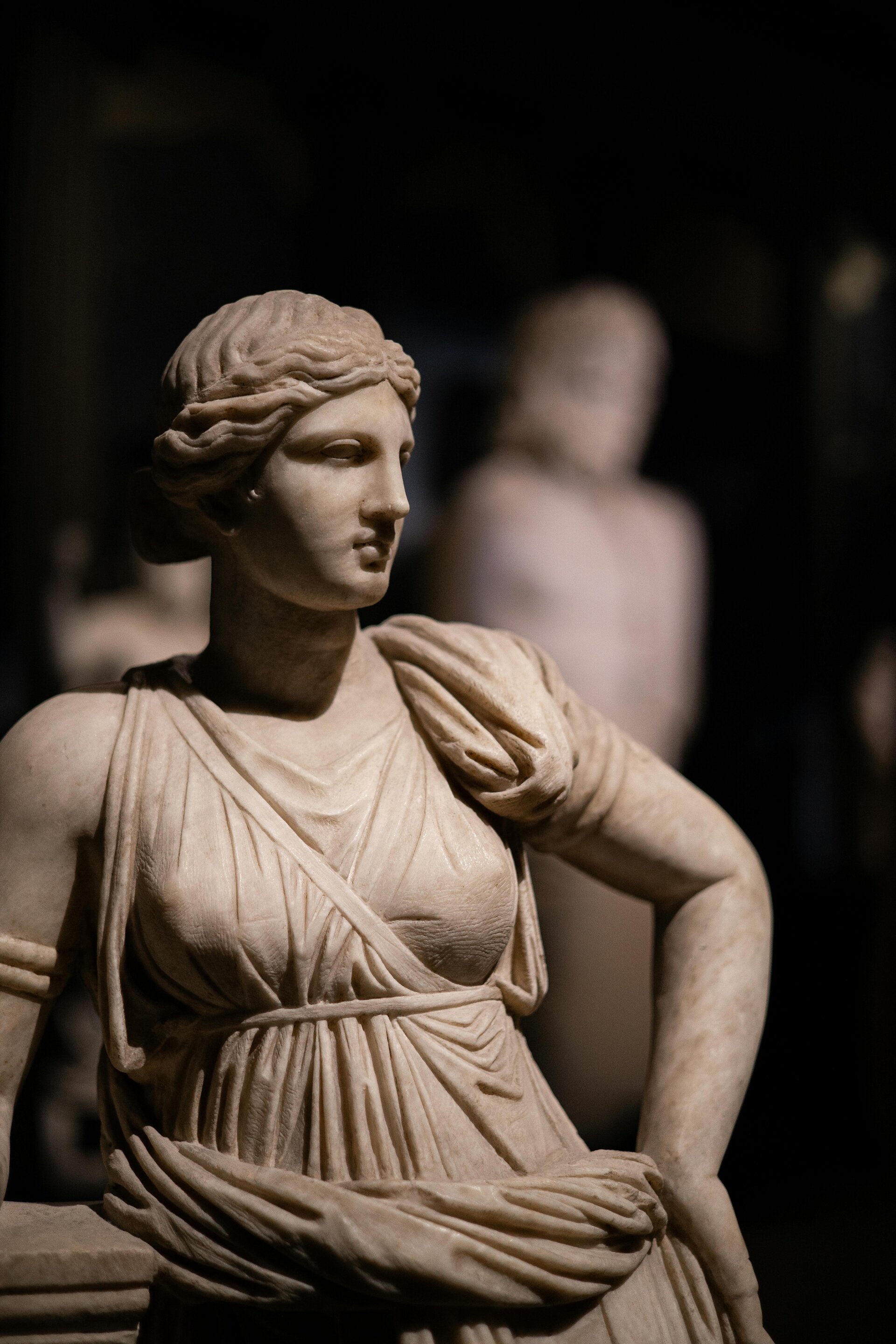
Domestic life in classical Athens
In classical Athens, women lived primarily within the domestic sphere. Bound by strict social and legal traditions, Athenian women could not vote, own significant property, or engage directly in political governance. Their responsibilities centered on running the household, raising children, and directing family life. Despite these political constraints, Athenian women played essential roles in major religious rituals and communal ceremonies, serving as the cultural backbone of civic tradition.
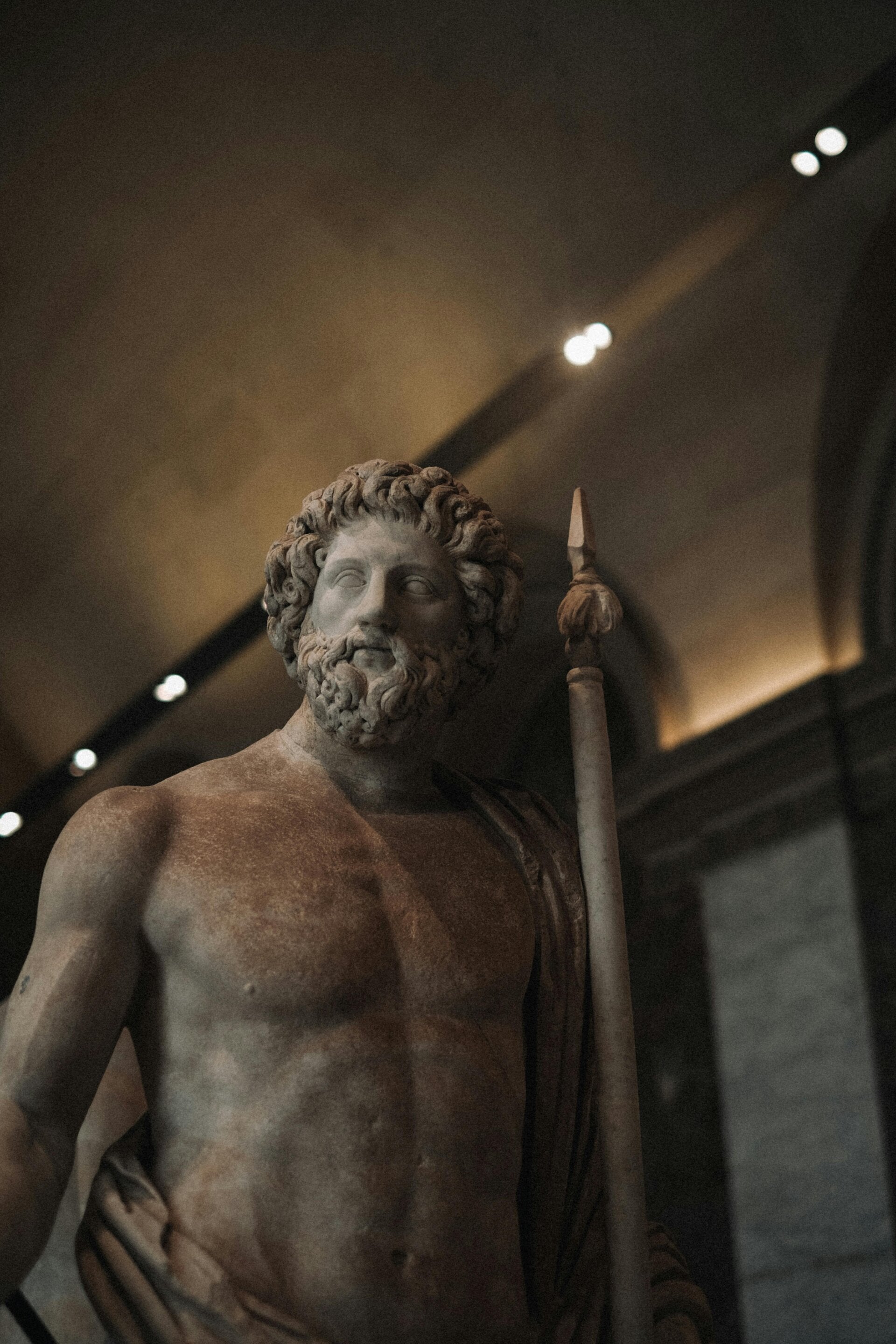
Autonomy and strength in Sparta
Life for women in Sparta differed dramatically from life in Athens. Spartan girls received structured physical education, training alongside boys in running, wrestling, and gymnastics to support a culture prioritizing strength and vitality. Furthermore, Spartan women possessed the right to inherit and control land, ultimately managing significant portions of wealth. While still excluded from voting or holding political office, their social freedom and economic influence stood unique in the ancient world.

Reflecting on ancient experiences today
Studying ancient Greek women shows how legal systems and cultural expectations shape human freedom. The stark contrasts between Athens and Sparta prove that women never lived a single, uniform experience. Across city-states, women shaped religion, literature, economy, and community resilience. Analyzing these historical dynamics allows us to better understand ongoing conversations about equality, representation, and the impact of societal institutions today.
Create Your Own Website With Webador